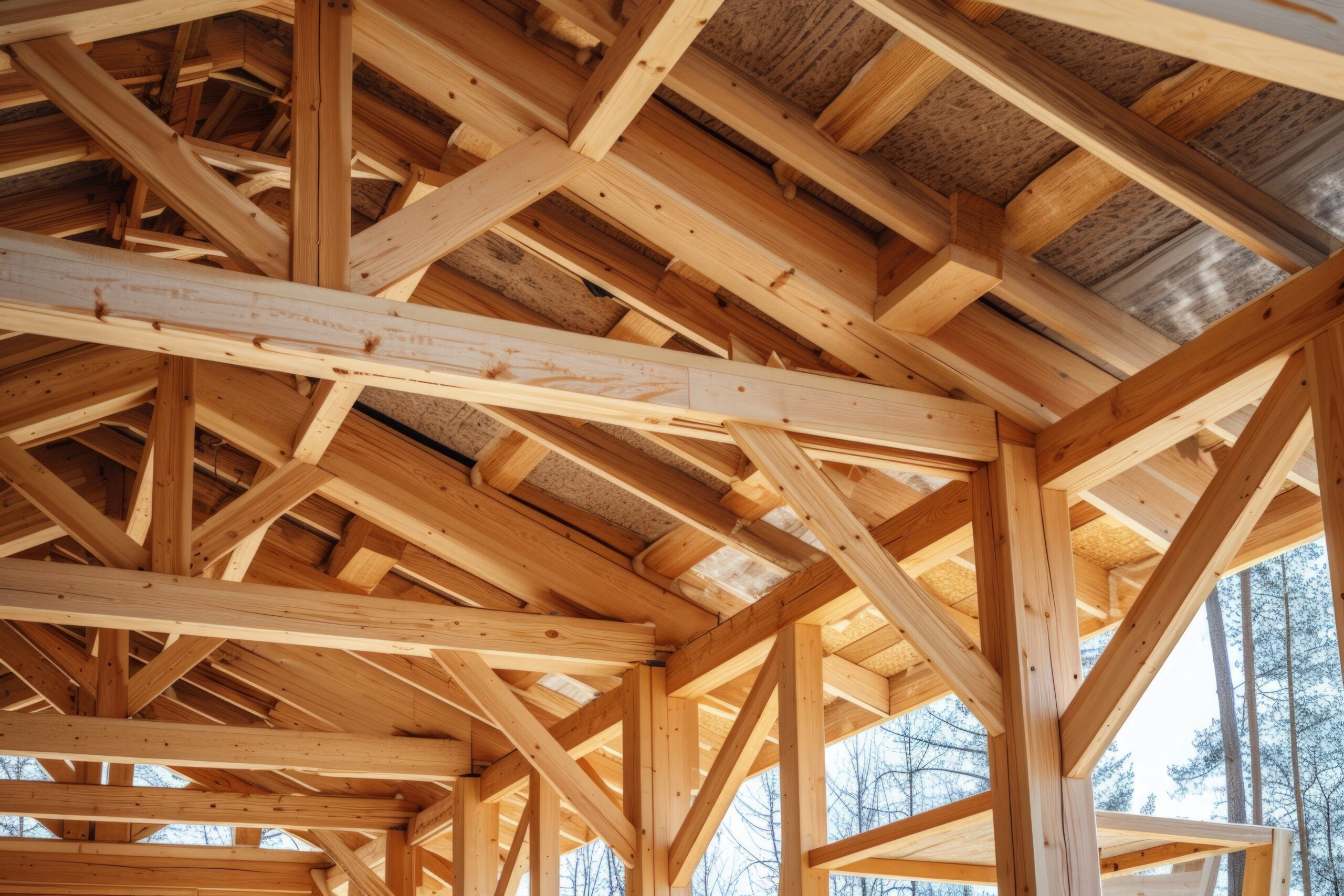



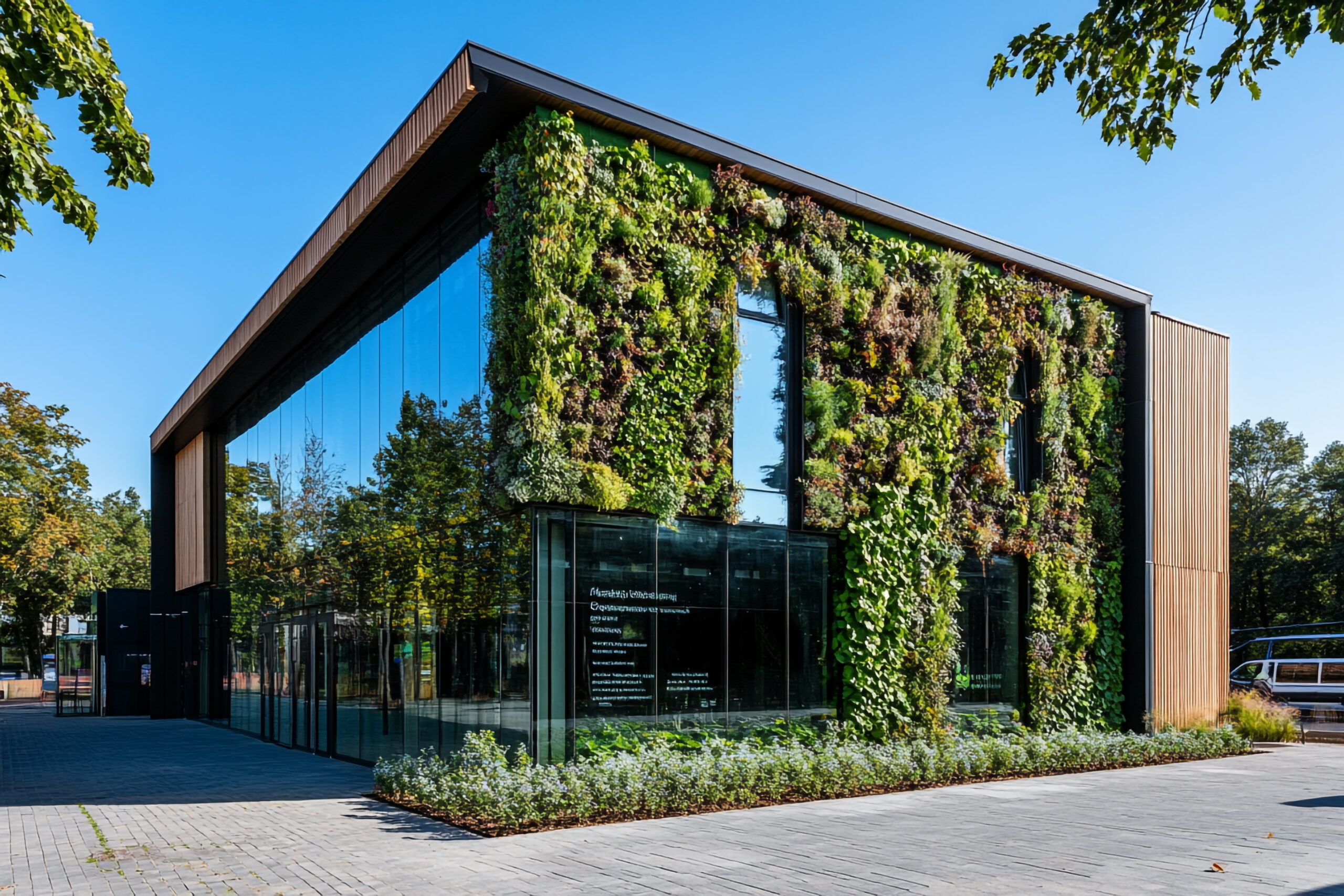
In a previous blog, we reported the rise in eco-friendly and sustainable materials being used in new build and renovation projects. We are continuing to see a number of projects cross our desk that use modern methods of construction (MMC), including modular builds, new forms of insulation, timber frames and green roofing.
As part of the Government’s green targets, the Clean Growth Strategy has committed to increasing the use of timber in UK construction to 40 percent by 2050.
These construction methods can bring real benefits, including faster delivery and more environmentally friendly builds. They can also shift the insurance risk profile. In practice, that puts more weight on planning, quality control and site security, which can lead to more detailed insurance underwriting and may influence terms and premiums where the controls are unclear.
In existing buildings, integrating MMC into older fabric as part of renovations can increase the risk profile, particularly where new systems and materials meet legacy structure and services.
While planning and design requirements may remain broadly similar, insurance needs can be different because risk management, security requirements and risk mitigation factors change. This is not to say clients should avoid projects using MMC and non-standard materials. It is about being clear on the risks and the problems to avoid so projects keep moving.
Why MMC changes the risk profile
From an insurance perspective, risk management differs compared to traditional construction methods. New materials and unfamiliarity can create blind spots, and the mass-produced nature of modular buildings, alongside assembly techniques, can increase exposure to defective workmanship, which can prove very difficult to unpick.
That is why when it comes to MMC projects, evidence of risk management matters from day one.
Risk Factors for clients and their insurance brokers to consider
While MMC and sustainable materials can deliver significant advantages for clients, they should also be aware of the factors that can increase risk exposures, and could lead to a loss, damage and disruption to the project.
- Fire loading and ignition sources
Complex, higher power buildings with renewable energy sources, battery storage and EV charging can increase the use of temporary electrics and stored components, making commissioning discipline crucial.
Modular materials are more combustible when compared to standard construction materials, increasing loss prevention expectations.
- Water ingress and weather exposure
MMC may compress programme time, but poor or rushed works can lead to water losses, increased risk of rust and corrosion, and exposure to water ingress and damp, which can lead to mould.
If ventilation is either not designed or implemented properly then timber frames, modular materials and Structural Insulated Panels (SIP) builds can also lead to mould
- Replicated defects
Factory production can repeat quality at scale, but the downside is also at scale if design, manufacture or installation assumptions are wrong.
- Security and site control
Inadequate security and lack of continuous oversight can leave properties susceptible to vandalism, theft and arson.
Risk Management
Where MMC is involved, insurers will look for clear proof of risk controls and accountability. In simple terms, that includes:
- provenance of contractors, materials and systems, with robust audit provision, including design audits and risk surveys during construction
- adherence to standards, plus maintenance and facilities management planning
- enhanced security measures, such as controlled access, site lighting, protected stored materials, and out-of-hours controls, with monitoring where appropriate
- Joint Code of Practices (e.g. Fire, Water) compliance
- Hot Works Procedures in place
- Structural Timber Association (STA) 16 Steps Guidance can be helpful
Insurance Brokers checklist: ensuring your commercial and private clients are properly protected
For insurance brokers, getting the right information is vital if the risk is to be considered and reviewed fully by insurers. This means asking the right questions at the earliest opportunity.
For MMC, and for the sustainable materials that often sit alongside it, the information provided should be clear on the specifications, including when timber frames, cladding or green roofs are being used.
Details of the contractor’s experience with these methods and materials should be provided. The more competence and controls a contractor can demonstrate, the stronger the risk profile of the project for underwriting.
Additional evidence that contractors have maintenance and inspection plans in place from day one to keep abreast of risks and issues that may lead to a loss or damage.
It is crucial for the broker and the client and their professional team to regularly review insurance coverage throughout a project’s lifecycle. Particularly with complex builds using MMC, ensuring the right insurance protections are in place from the start is essential to avoid gaps in cover.
Where Renovation Underwriting fits for MMC and non-standard construction
Whilst we view MMC elements such as structural insulated panels (SIPs), timber frame and green roofs as non standard, with proper information provision and evidence of good risk controls, these can be brought into appetite across our product range.
Our Appetite Guide clearly outlines the types of private and commercial renovation projects we regularly cover, those we’re happy to consider, and the few we typically decline.
A final thought from our Head of Underwriting, Chris Harris:
“We understand that MMC can be a real positive for clients. It can help projects move faster, support cost efficiency and improve performance. As insurers, when provided with quality risk information from insurance brokers showing the right controls are in place, from quality assurance and sequencing through to security, monitoring, maintenance and inspection planning, we can respond more quickly and positively.”
Modern methods of construction underwriting challenges and how Renovation Underwriting supports brokers
These themes were also discussed at a special one-off CPD event held by Renovation Underwriting in partnership with Allianz on 11 March 2026.
Hosted by Natalia Wood, Head of Broker & Professions CPD, and Mike Carolan, Head of Commercial Distribution, alongside guest speaker, Neville Green, Underwriting Manager – Allianz Construction Engineering & Energy, the session gave brokers the chance to explore the evolving challenges of underwriting modern construction risks in more detail.
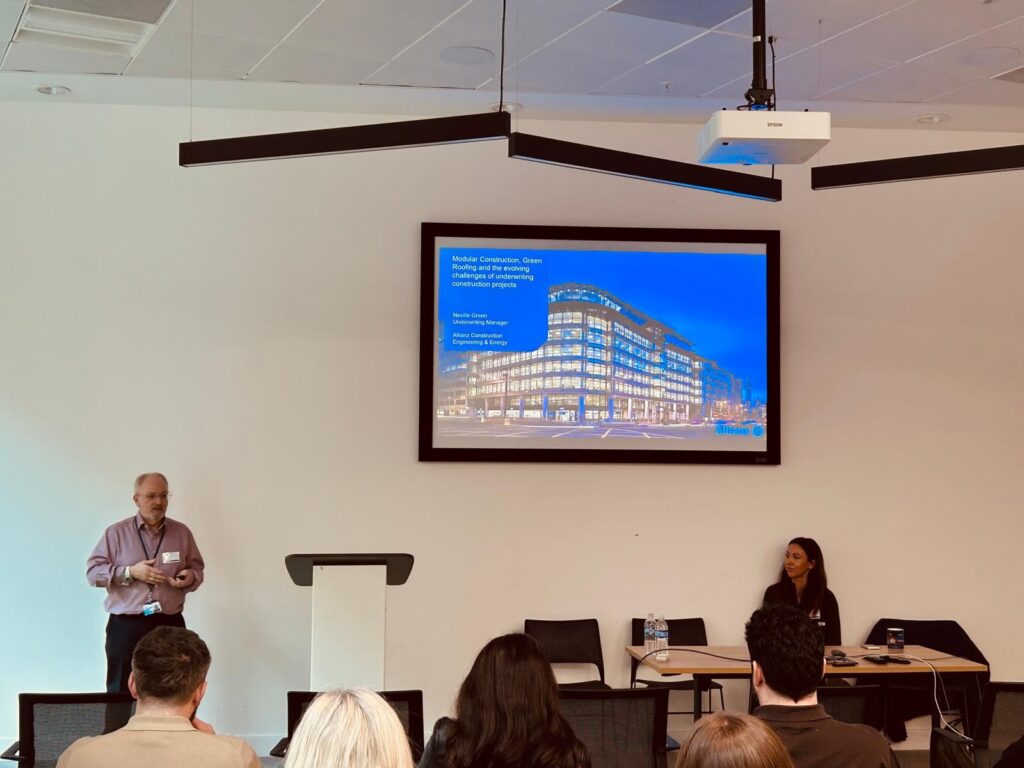
Natalia Wood and Allianz’s Neville Green present at CPD event on Modular Construction, Green Roofing, and the evolving challenges of underwriting construction projects.
If you have an event that you want us to be part of, or want a tailored contract works insurance training session, let us know.