



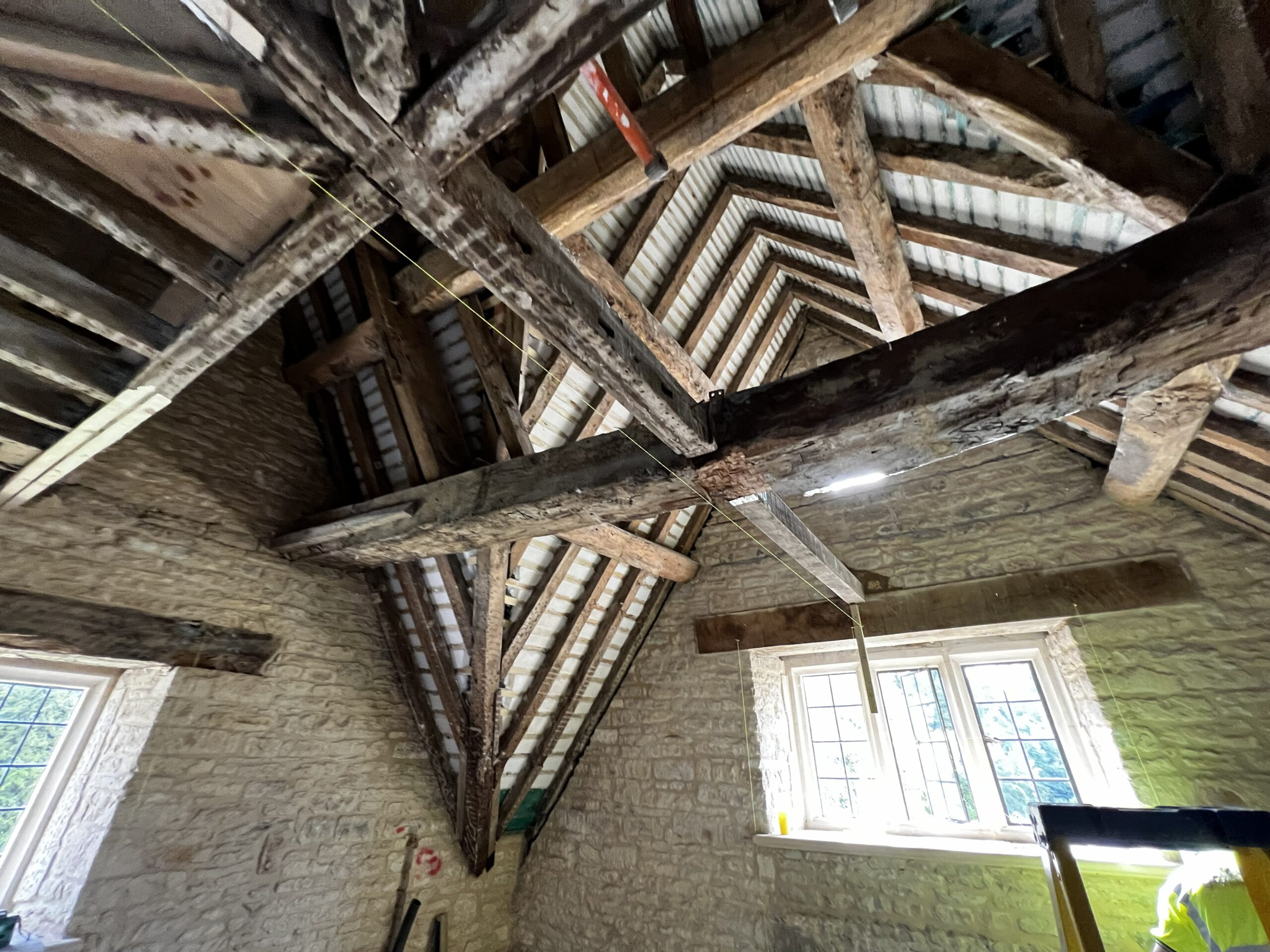
In the first of a two-part series, we look at why we embed structural engineering expertise in our underwriting and what value it brings to brokers and their clients.
Why structural expertise is important
Being asked for structural drawings, surveys or further information about a renovation project might feel like an administrative nightmare, but there is an important reason for the question.
Renovation projects can come with a level of uncertainty rarely encountered on new-build schemes. Existing buildings may not have all the information associated with it available and consequently not provide a sufficiently clear picture of part of the existing structure. There may be incomplete record drawings, hidden defects, historic alterations, ageing materials or structural elements that are not fully understood until work begins and require further investigation.
At Renovation Underwriting, we take those risks seriously and is why having our own structural engineering expertise forms an integral part of our approach to underwriting renovation projects provides.
Our Structural Risk Reviews give a structured assessment of whether key structural risks have been identified, assessed and, where reasonably practicable, mitigated before construction begins.
For brokers and their clients, that means there is an additional, impartial pair of eyes looking at the structural information surrounding the project to give you the confidence that the appropriate level of investigation has taken place to cover you if you need to make a structural-related claim.
That’s why we ask the question. We add value to your policy, protecting you against unforeseen or hidden costs, rather than a further request for more documentation.
Why renovation projects need closer scrutiny
A new structure is designed using known materials, dimensions and loading criteria.
Renovation projects rarely offer the same certainty.
Structural engineers working with existing buildings can encounter incomplete or inaccurate record drawings, hidden defects, previous alterations, corroded steelwork, degraded timber, inadequate foundations, unrecorded loadbearing elements and changes in building use over time.
Many of these issues can remain concealed until demolition or intrusive investigations begin.
Most pre-construction inspections are also limited to what can reasonably be seen and accessed. A survey therefore does not necessarily provide a complete picture of the building’s condition.
That means assumptions sometimes have to be made based on the information available.
An important part of the structural engineer’s role is recognising when that information is insufficient, making assumptions and limitations clear to the broker and client and recommending further investigation where necessary.
For us, understanding those uncertainties is an important part of understanding the project risk.
What do our Structural Risk Review do?
Our Structural Risk Review considers whether key structural risks have been identified and whether an appropriate level of investigation has been undertaken.
It also looks at whether relevant project information has been gathered and coordinated.
The review adds another layer of scrutiny around the structural risks associated with the project and can highlight the information gaps or potential hazards that may require further consideration by the client and wider project team.
What are we looking for?
Every renovation project is different, but there are several broad areas a Structural Risk Review may consider.
The existing structure
This can include unknown structural arrangements, deterioration of materials, previous unauthorised alterations and foundation performance.
The construction works
Demolition sequencing, temporary instability, temporary works requirements and the transfer of loads during alterations can all form part of the structural risk picture.
Neighbouring properties
Potential damage to neighbouring properties, party walls, ground movement and vibration may also need to be considered.
Occupancy
Where buildings remain occupied during the works, factors such as public access, fire escape routes and changes of use can introduce further considerations.
What does that mean for brokers?
For brokers, our structural expertise gives some useful context to the questions we ask. It helps frame the conversation differently with clients about fully understanding the project and the risks associated with it.
Our Structural Risk Review may also bring an information gap or potential hazard to the attention of the client and project team so that it can receive further consideration where necessary.
That is where the additional scrutiny can offer value beyond the underwriting process itself.
Taking renovation risk seriously
Renovation projects involve uncertainty. That makes good information, appropriate investigation and clear communication particularly important.
Our Structural Risk Review helps us assess whether foreseeable structural risks have been identified, whether key project information has been gathered and whether relevant documentation has been coordinated.
We do the Risk Review because understanding the detail matters.
For brokers, explaining the reason behind why an additional, impartial review of a renovation project can turn what might feel like an inconvenience into something more valuable for the client